BACKgROUND
Aria is a B2B fintech that enables platforms and marketplaces to offer instant payments to their professional users.
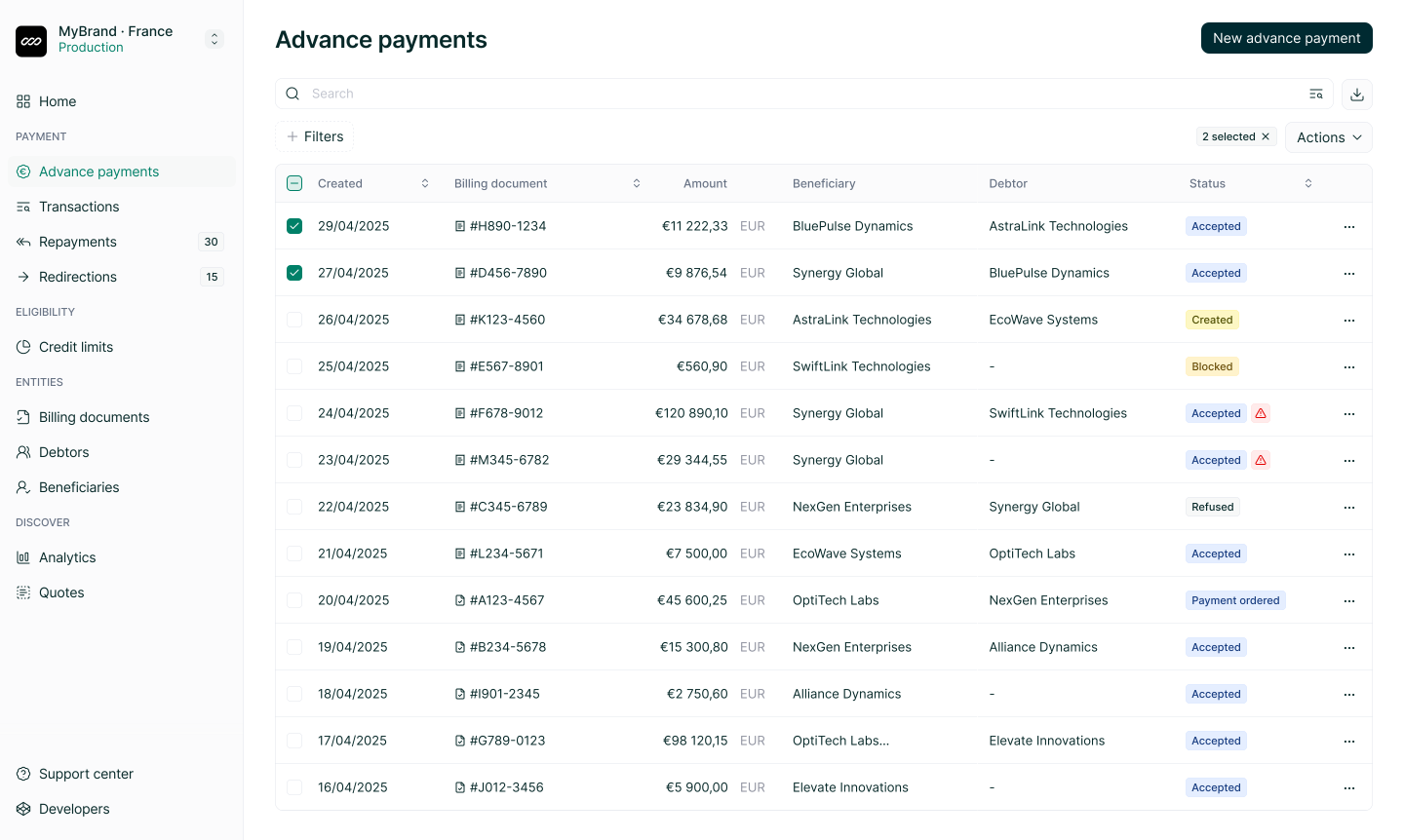
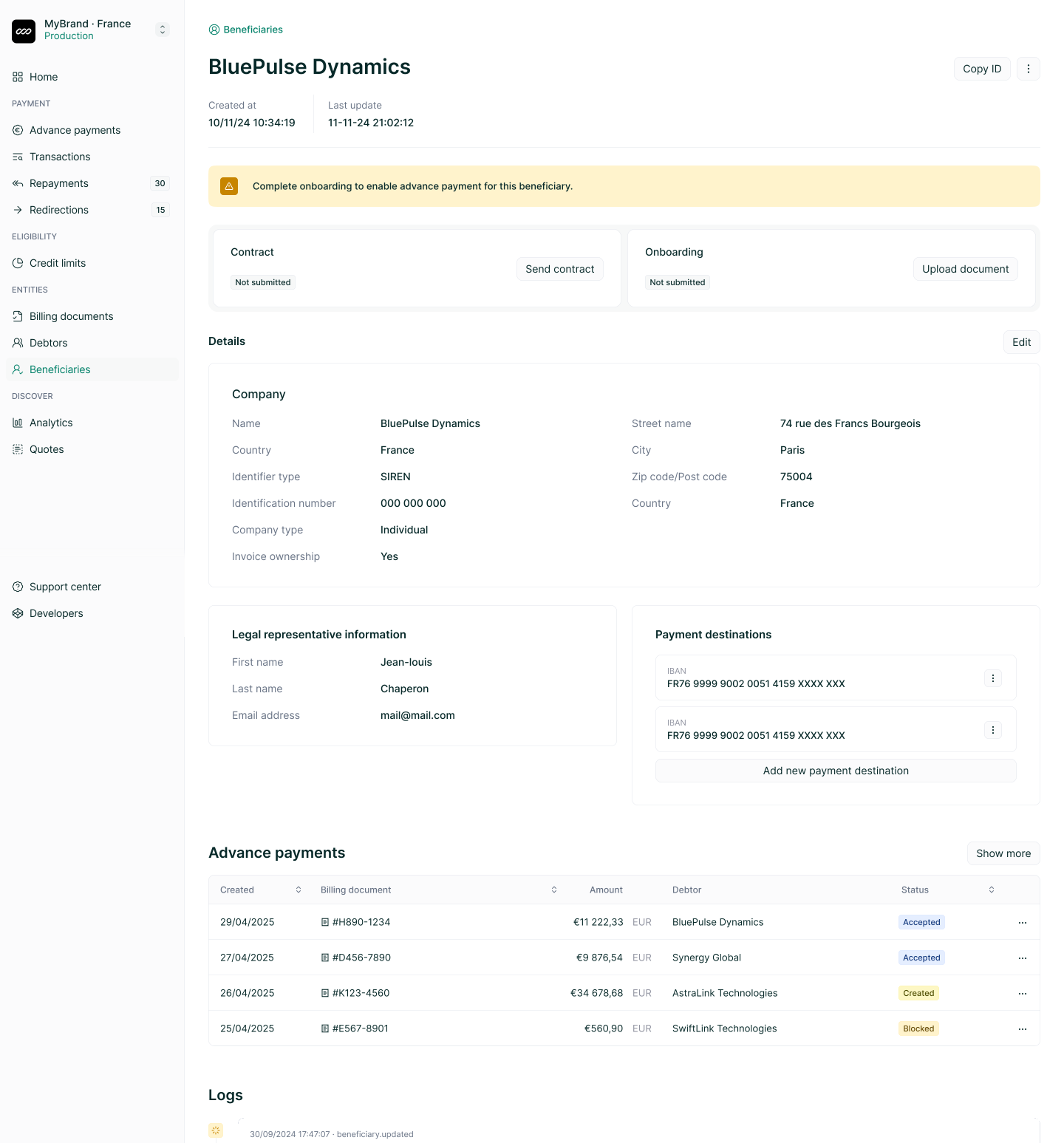
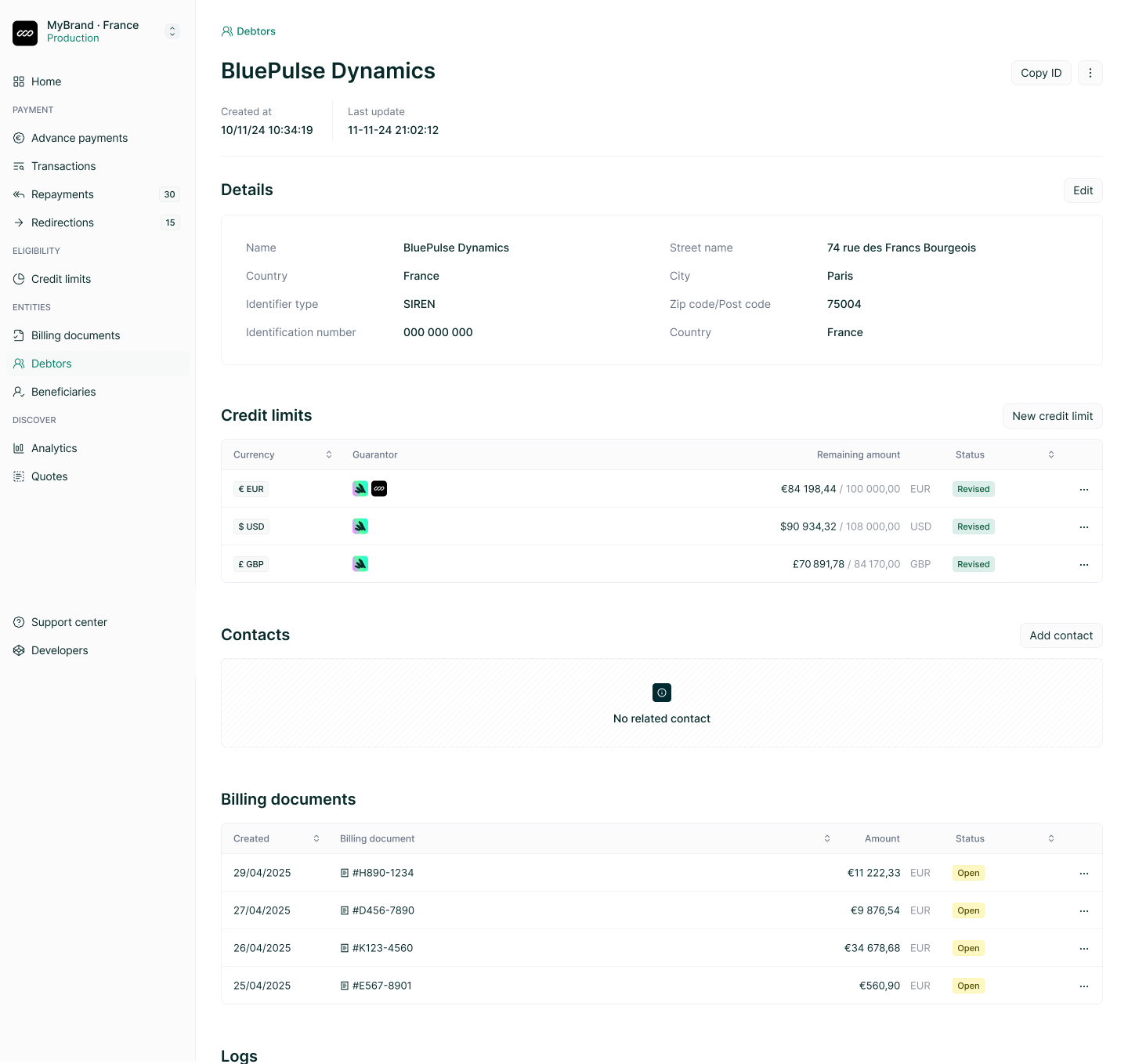
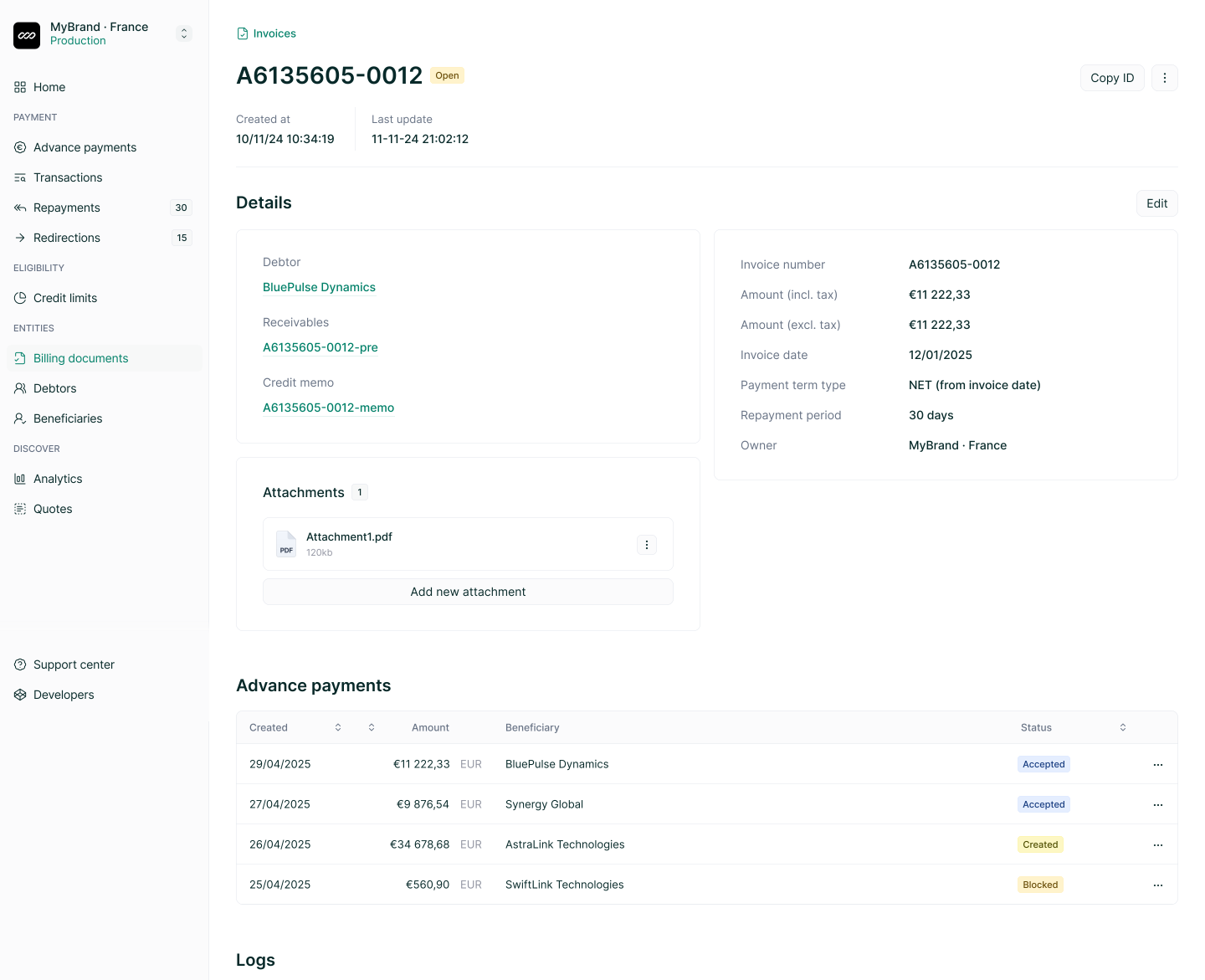
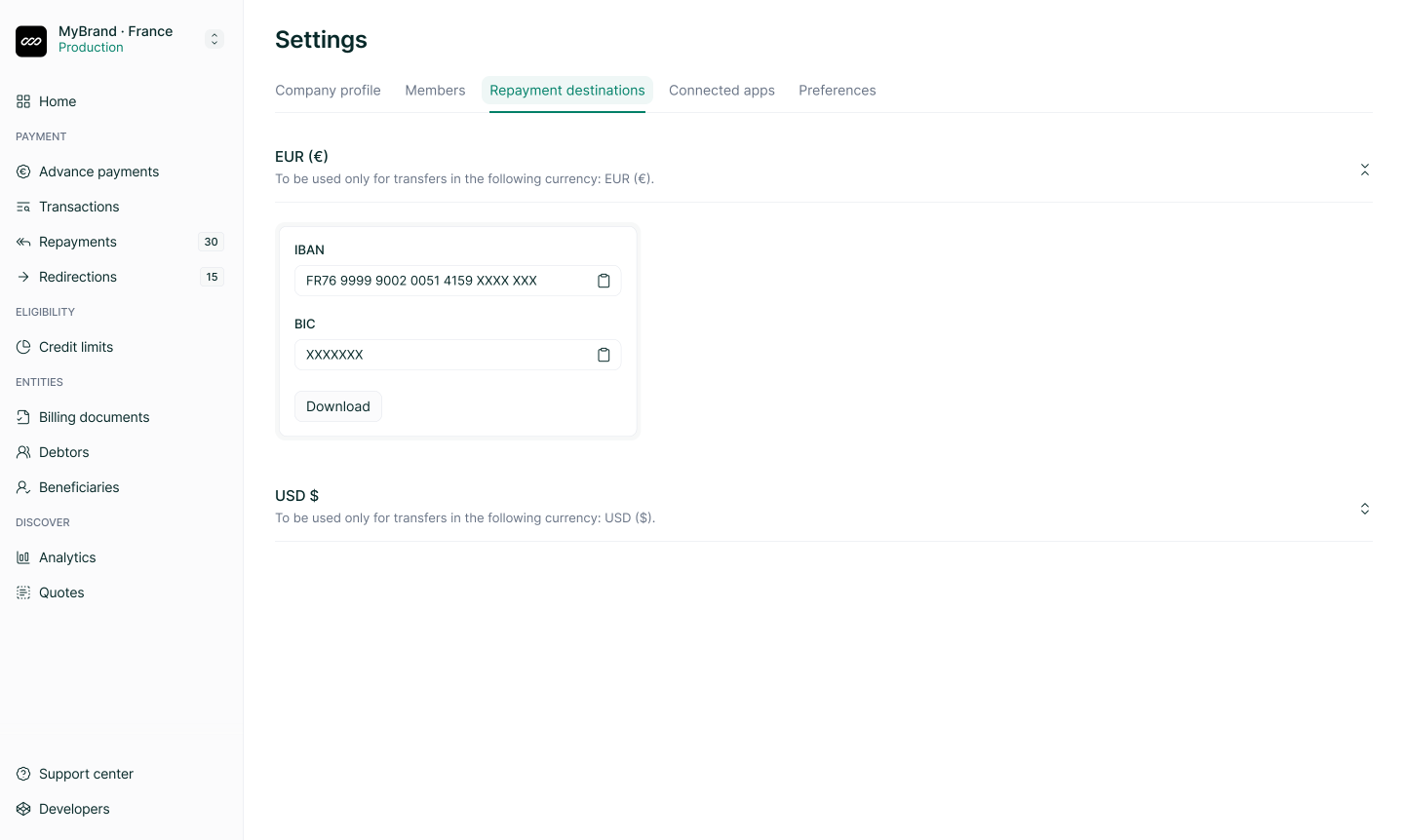
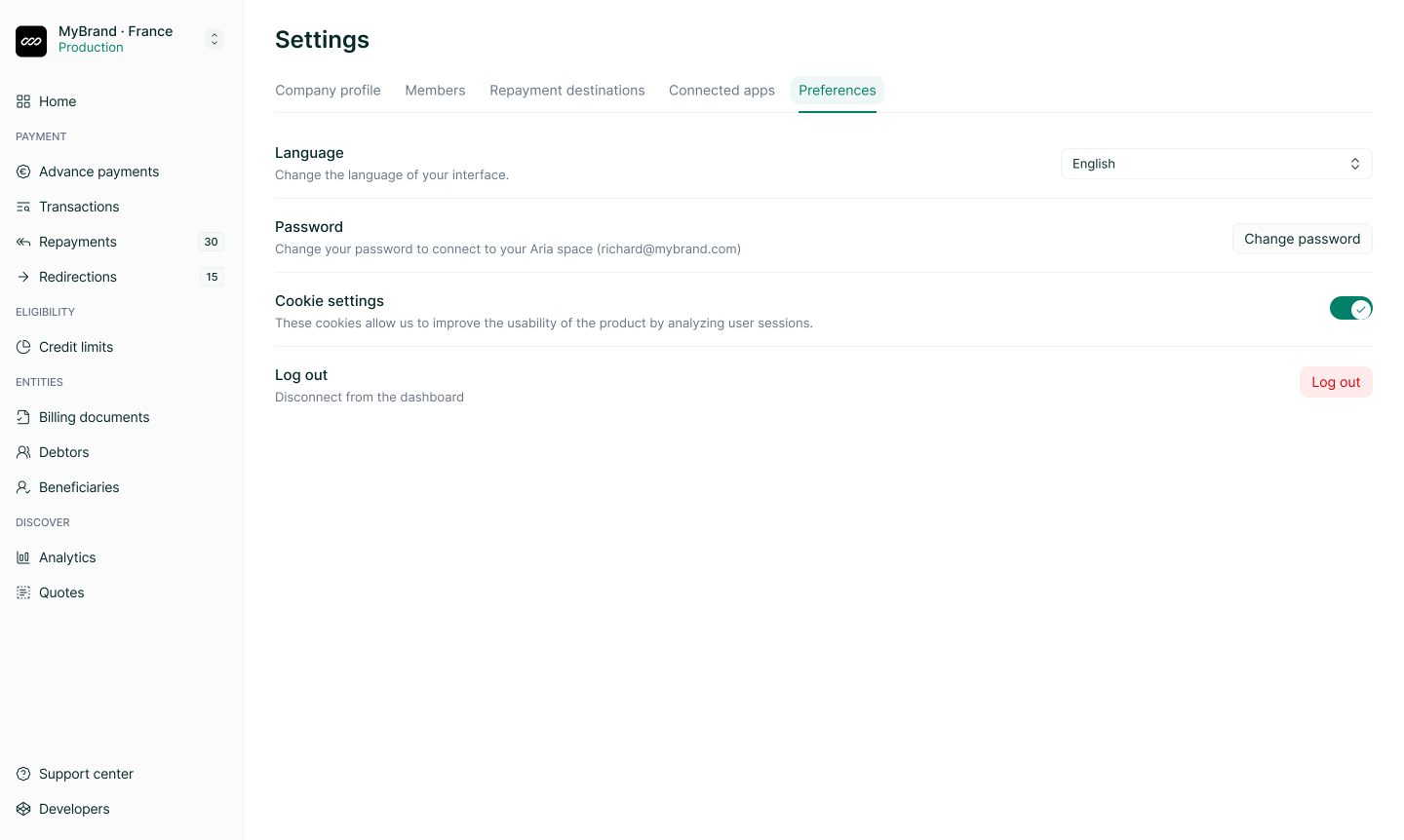
The dashboard is an entry point to this service. It allows our clients, including operations teams, developers, and CFOs, to track transactions, view logs, manage loans and invoices, and test our API.
A few years after launching the first version, we identified a strategic opportunity to improve the product.
Why Aria initiated a redesign
The existing UI lacked the level of refinement expected from a product in our space, which impacted the overall perception of quality. Key information was sometimes difficult to access, making it harder for users to quickly understand or act on critical data. The experience for developers also needed significant improvement, particularly in how we supported API integration and technical exploration. In addition, the navigation was too linear and did not adapt well to different user contexts or workflows. This redesign was not only a response to these UX challenges, but also a timely opportunity to align the product with our new brand identity.
GOALS
UX/UI Objectives
Create a strong first impression from the very first login experience.
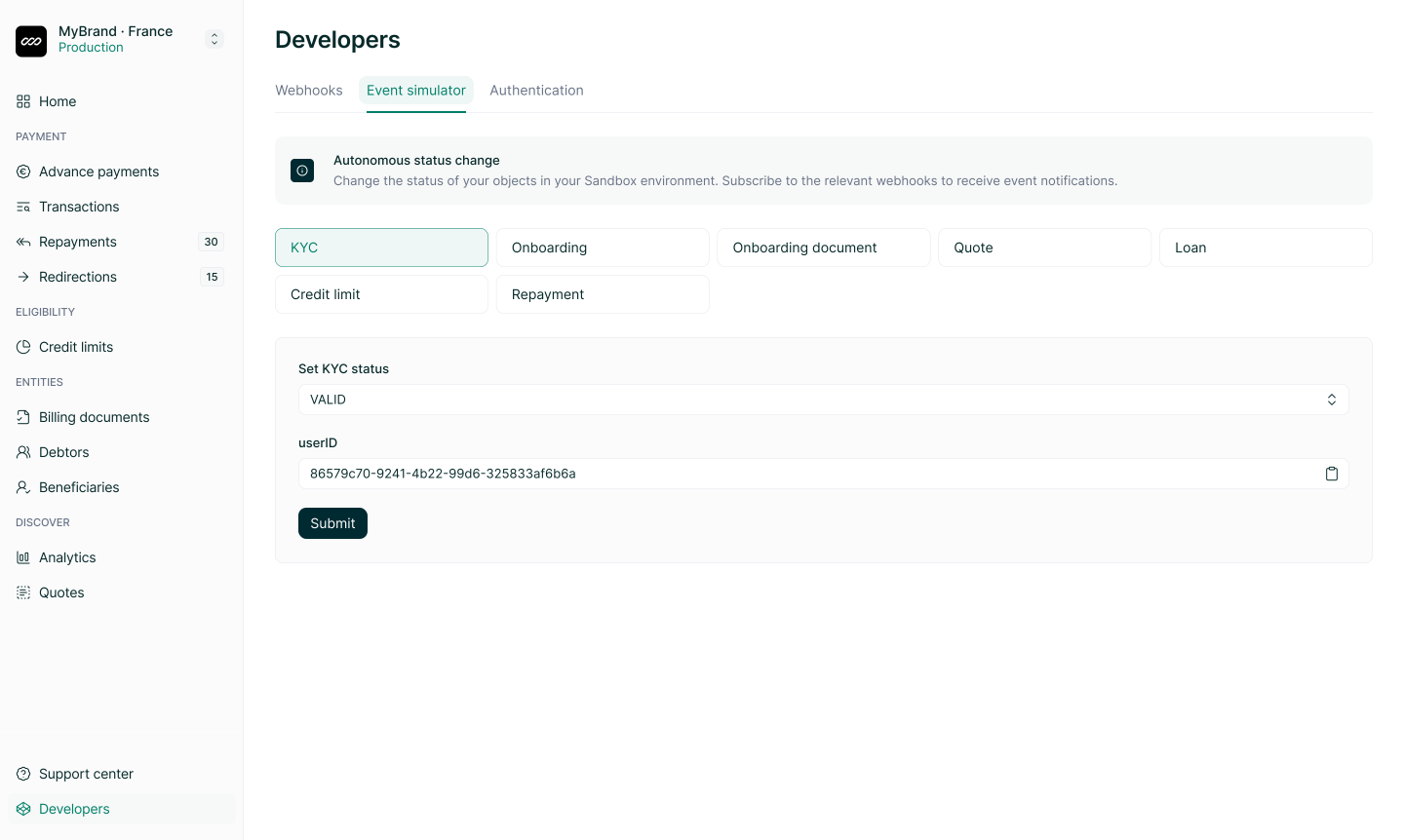
Improve usability for developers by focusing on autonomy, clarity, and technical structure.
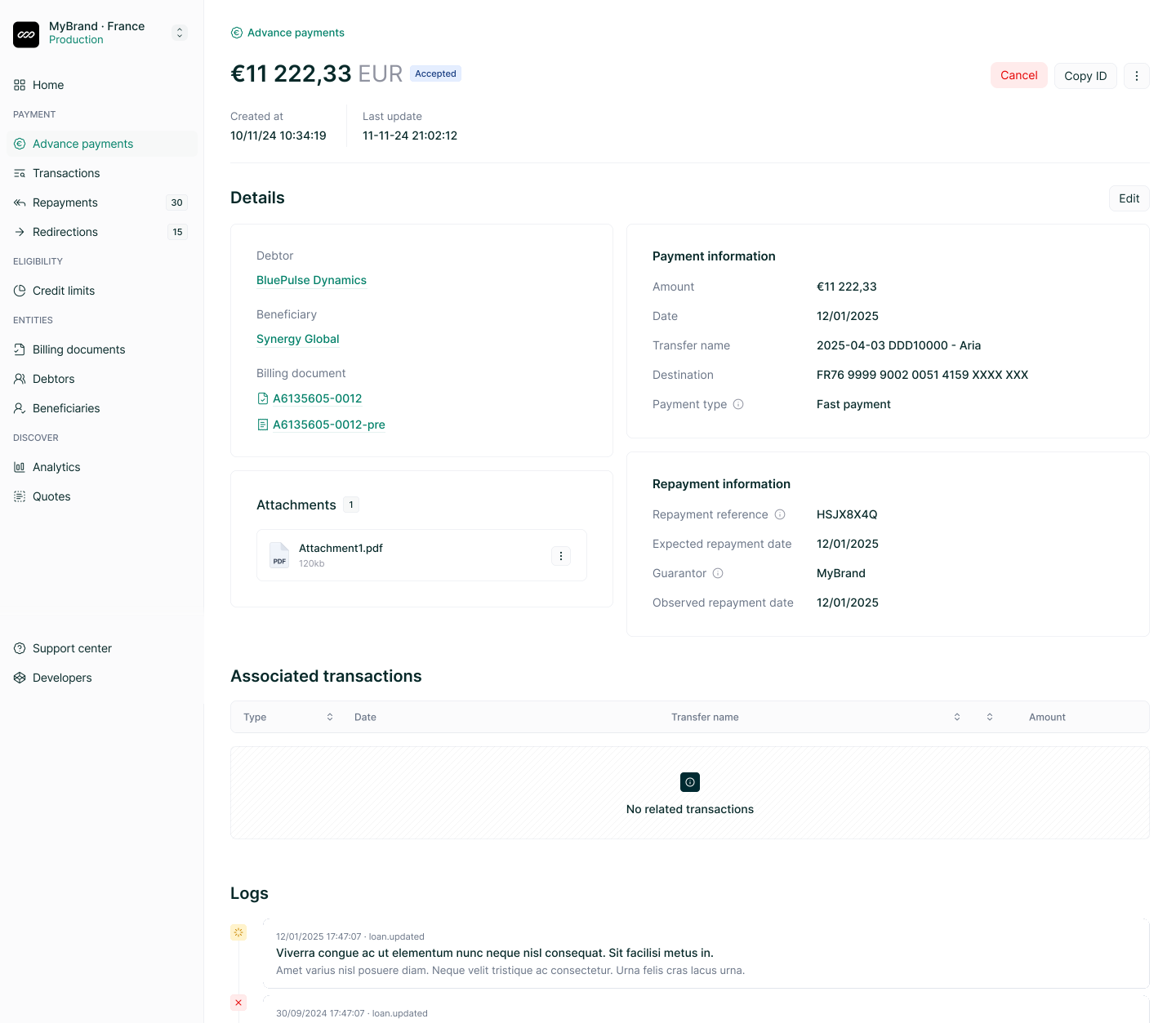
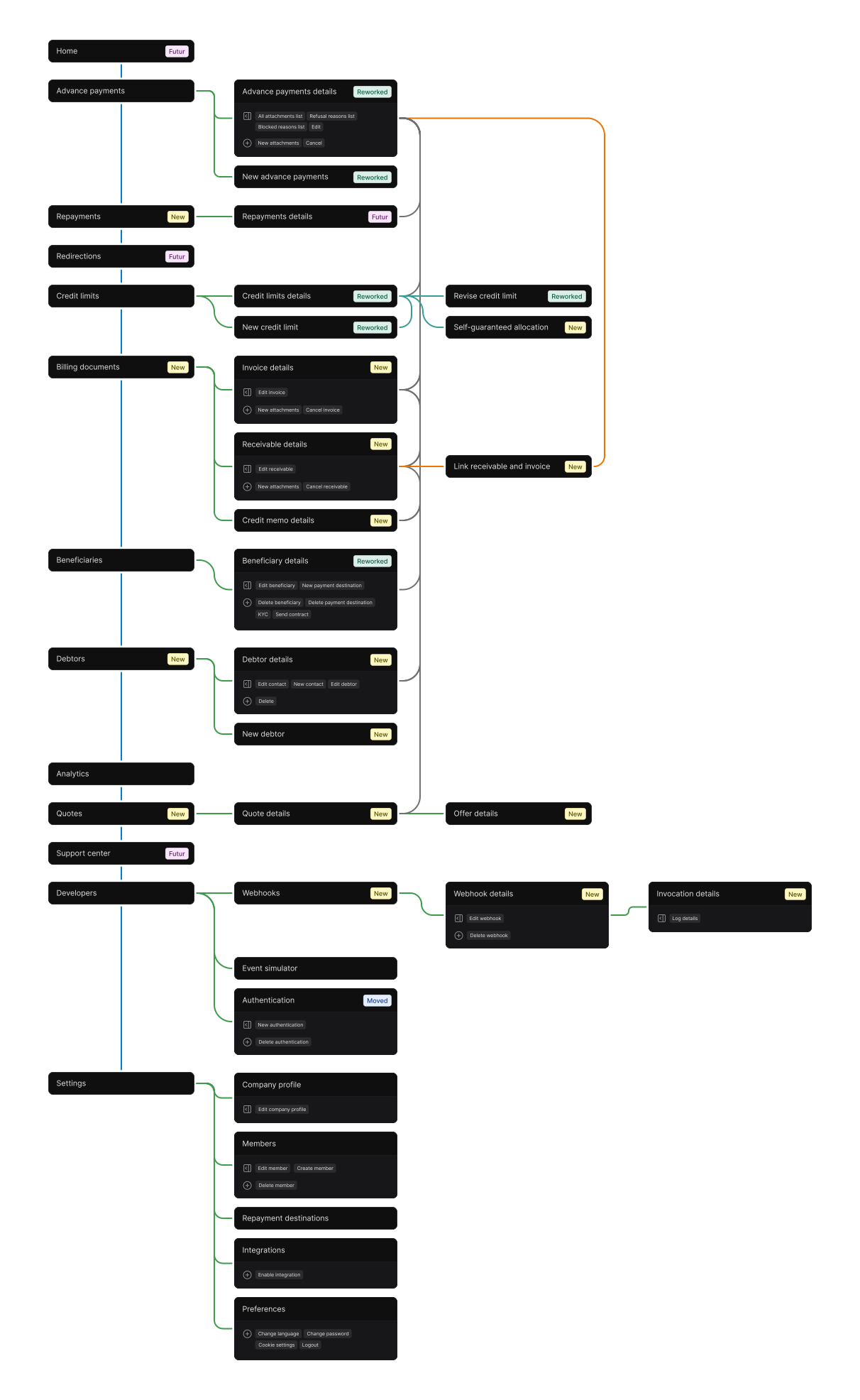
Provide clear and contextual navigation, where every object is accessible through a unique URL.
Reflect the complexity of our product through a clean, robust, and elegant interface.
Integrate the new branding into the interface.
Update and align the design system with the new visual direction.
Redesign the UX of existing features to improve overall consistency and user flow.
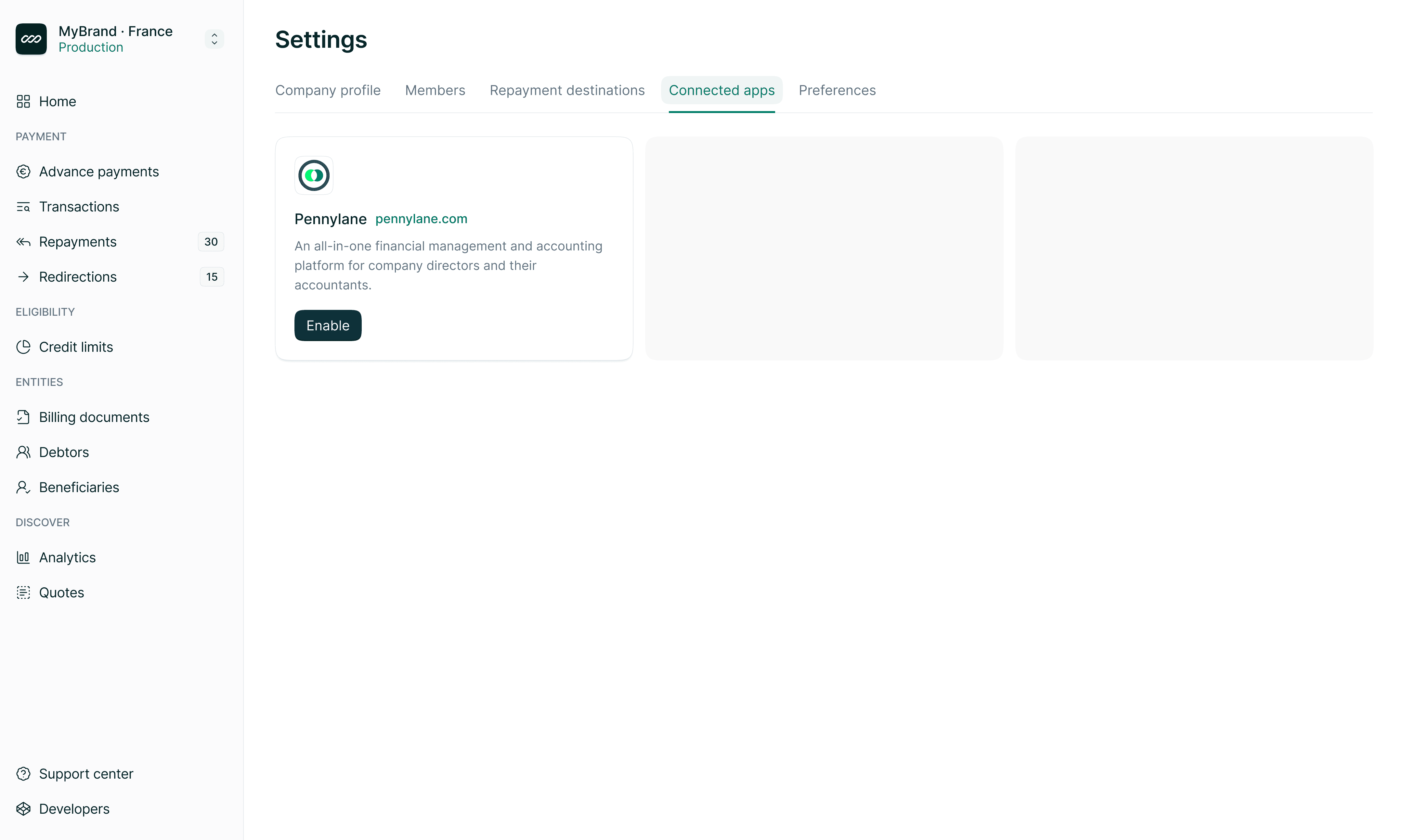
Integrate new functionalities that were not yet available in the previous version of the dashboard.
Business Objectives
Strengthen the perceived value of our platform.
Appeal to decision-makers, such as CEOs and CFOs, during the discovery phase.
Showcase our technical expertise through a premium product experience.
Design approach
I structured the project into several key phases, combining exploration, design, and close collaboration with both product and engineering teams.
Scoping workshop
I and the project team kicked off the project with a scoping workshop to align on business goals, user expectations, and technical constraints. This collaborative session helped set a clear direction and build a shared understanding across teams.
Research & Understand
To better understand user needs and pain points, I conducted internal interviews with teams such as Ops and Customer Success, analysed current user journeys, and identified friction points in the existing experience.
UX exploration & Benchmark
I then moved into a UX exploration and benchmarking phase. I rethought navigation and information hierarchy, improved data display and readability, identified reusable components and patterns, and ensured the interface could scale with future needs.
Ideation
During the ideation phase, I ran sketching sessions, created wireframes, and built early prototypes to explore different directions. These helped me define navigation flows and test initial ideas internally with the team.
Successive iterations
Each phase involved rapid iteration loops, where I continuously refined both the UX and UI based on feedback from stakeholders and new insights.
Step-by-step construction
I then worked with the team to progressively build the new dashboard, section by section, following business priorities and user needs.
7.High-fidelity prototype & test
I created a high-fidelity prototype to simulate real usage, gather feedback, and fine-tune interaction details and content before development.
Handoff & specs
Finally, I prepared detailed design deliverables for the development team, including precise specifications and design tokens, to ensure a smooth handoff and implementation.
Impacts
Improved product perception
The dashboard now delivers a more polished and professional impression, aligned with the value of our service. It has become a strong asset during client onboarding, especially in demos and sandbox environments.
Better understanding of complex flows
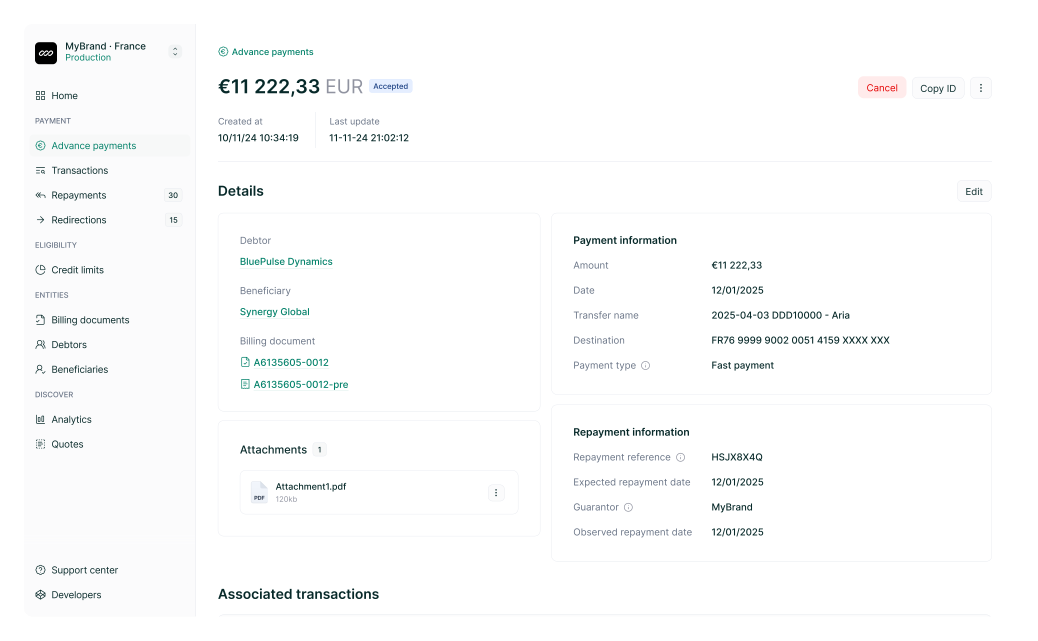
Relationships between objects (such as invoices, loans, and repayments) are now more visible and easier to access. This helps users make sense of financial transactions and business logic more efficiently.
Optimized developer experience
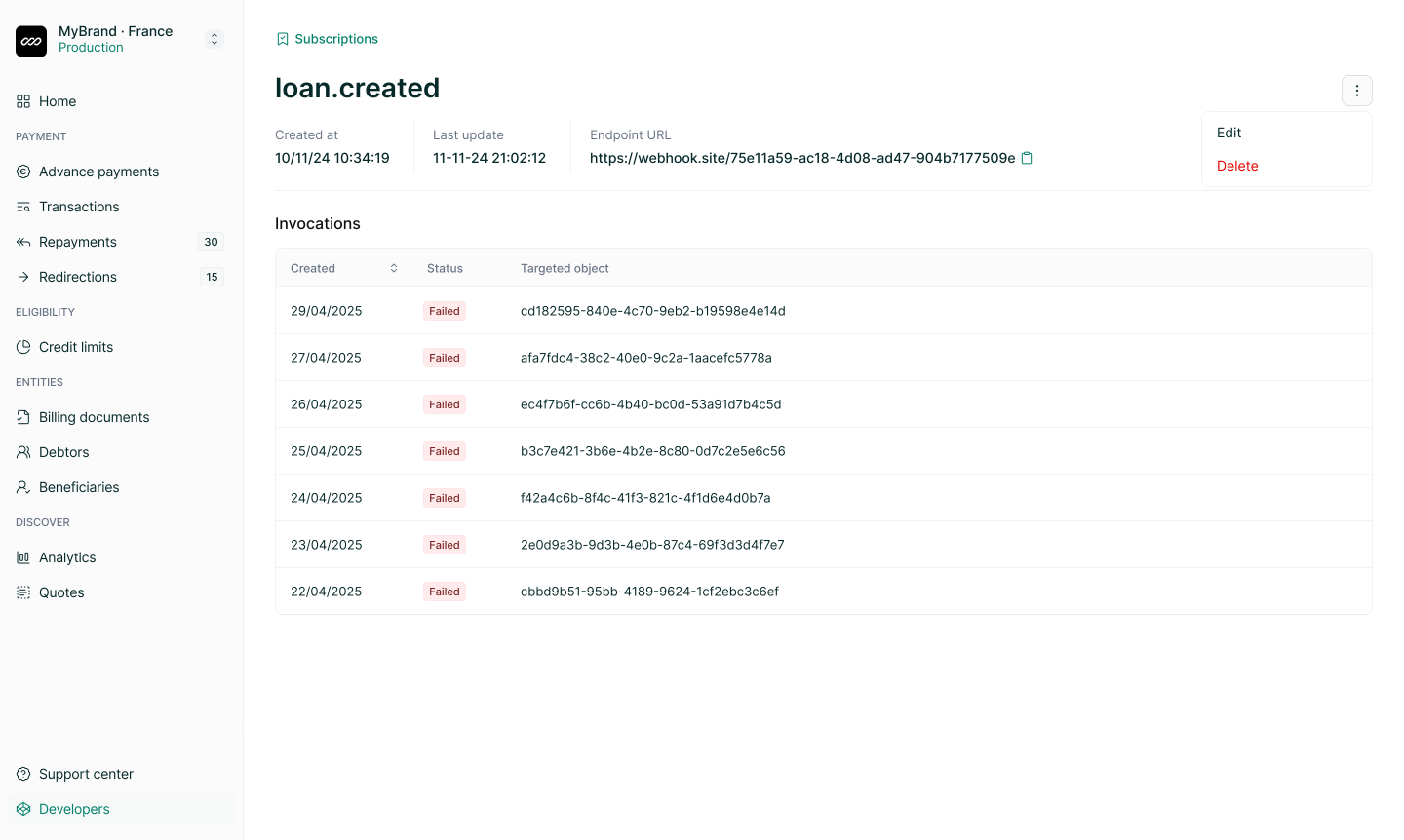
With clearer navigation, more readable logs, and a more “tech-friendly” UI, developers can now explore the API directly within the interface. This reduces their reliance on documentation or support.
A strong foundation for product evolution
This new version introduced a consistent and scalable design system, with reusable components and patterns tailored to the growing complexity of the product.
Learnings
This project was the longest and most impactful one I have worked on so far. It helped me grow in several key areas.
First, I developed a more strategic design approach. With a broader scope and cross-functional challenges, I learned to better structure screens, prioritize user needs, and consider scalability right from the early wireframes.
The project’s sustained and iterative pace required real resilience, both in maintaining design clarity and in keeping up energy over time despite numerous changes and evolutions.
I also gained stronger product skills, especially in information hierarchy, data readability, and building durable components that can adapt as the product grows.
Finally, the collaboration with multiple developers running in parallel improved my ability to communicate clearly and continuously align design decisions with both product goals and technical constraints.
VISION
This redesign marks the V2 of the dashboard, built as a solid yet flexible foundation.
Some design decisions were made to address immediate priorities (developer experience, transactional navigation, data clarity), while laying the groundwork for future phases.
Several opportunities remain open for future iterations:
Improve information density and hierarchy
Better represent connections between business objects
Evolve certain components for improved clarity and scalable